
Brian Thompson
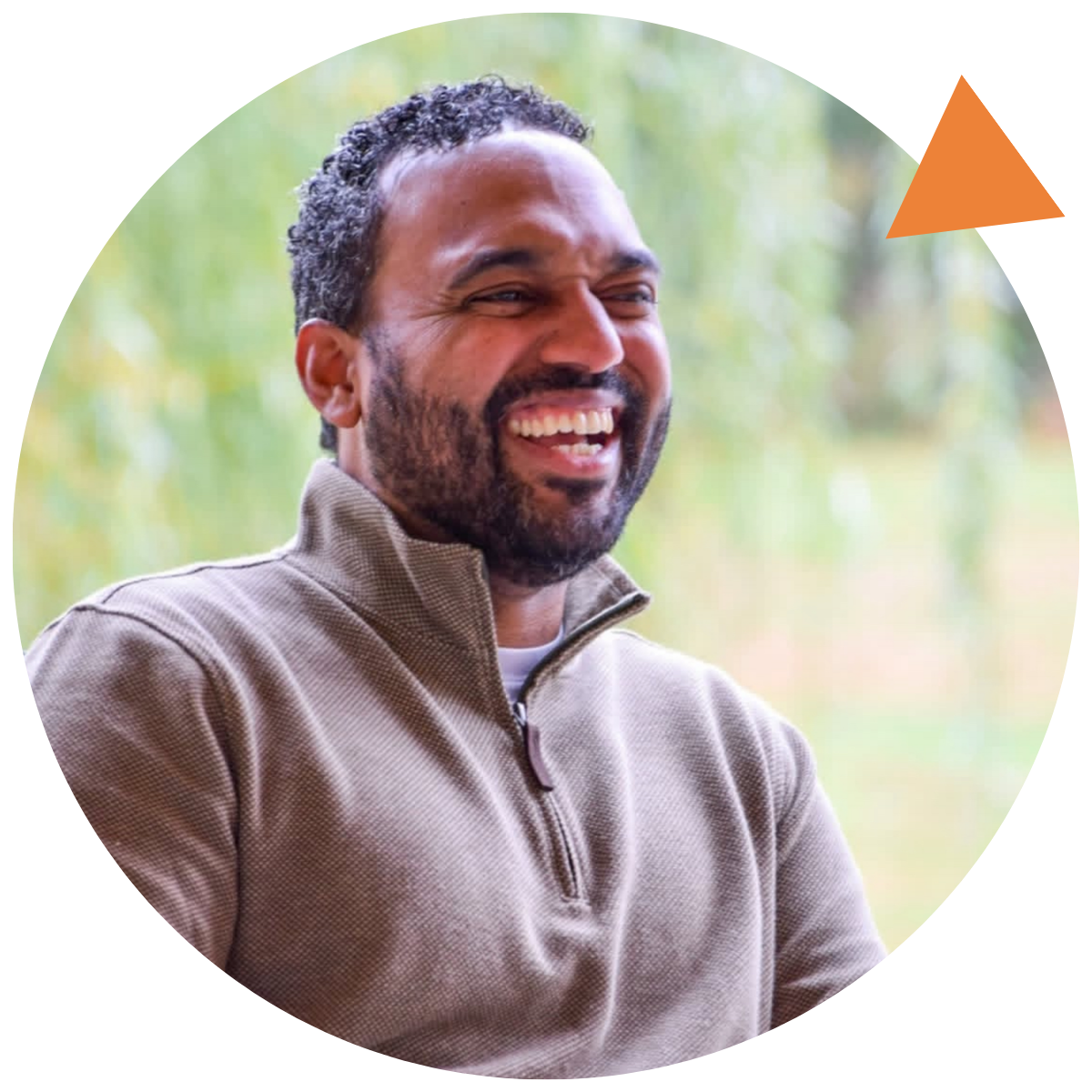
Brian Thompson is a mindfulness educator, nonprofit leader, and creative with a Master’s degree in Mindfulness Studies from Lesley University. He integrates timeless contemplative traditions with modern approaches, making mindfulness accessible, practical, and engaging for diverse audiences. Guided by a deep belief in the power of human connection and the transformative potential of compassion, Brian helps people bring awareness into everyday life in ways that foster resilience, empathy, and authentic growth.
How did your personal and professional journey lead you to Community Mindfulness Project?
I like to say I fell into mindfulness. By that, I mean my first interactions with practice were not formal in any way. Rather, they were a natural response to anxiety in the body and a curiosity about the workings of the mind—an intentional choice to pause and breathe into the moment, not knowing that this single moment of gentle curiosity would be nothing less than life-changing.
It was this experience that led me to shift my path of study from social work to mindfulness and guided me toward my master’s in Mindfulness Studies. My passion for practice comes from a belief in human potential and in the power of compassionate presence and witnessing.
Serving in a variety of roles across the nonprofit world and public education, I saw firsthand how the invitation to engage mindfully—no matter the task—created moments of genuine connection, both to the process and to others. Believing that mindfulness is both a tool and a deeply healing resource accessible to anyone, I made it a personal mission to help others build a relationship with practice in ways that feel true and authentic to them.
Yes, mindfulness is practiced through yoga and meditation. But it is also dance, cooking, art, music, poetry—anything that helps us feel connected to ourselves and invites us to explore, with gentle curiosity, the fullness of our experience.
That belief is what led me to Community Mindfulness Project. At its core, mindfulness is both an individual and relational practice. When we intentionally create spaces where people feel brave enough to turn inward—bringing compassionate awareness to their own experience—we plant the seeds of empathy. We begin to hold the possibility that if life feels this way for me, perhaps it feels that way for someone else.
I understand pain, so I can show compassion. I know fear, so I can support bravery. Community Mindfulness Project is helping to create these brave spaces of connection, and anyone who understands the heart and depth of this work both appreciates it and wants to be part of it.
There is an African concept, Ubuntu, often translated as “I am because we are.” To me, this is the essence of practice: in understanding ourselves, we learn to see ourselves in each other. In that way, mindfulness becomes a practice of societal change through intentional, compassionate witnessing.
What excites you about CMP’s mission?
The delivery of accessible mindfulness training in under-resourced communities—accessible being the key word. For many, mindfulness is still tied to the image of a monk in isolation on a mountaintop. Having real, grounded conversations about what mindfulness is—and isn’t—and helping to dispel common myths is essential as the practice continues to enter the mainstream.
I see mindfulness as an evolving practice. We honor its origins and deepen our understanding of its journey from Eastern traditions into Western culture, while also recognizing that how it shows up in our lives—and how we share it—will continue to shape its future. That evolving relationship is what will create lasting impact for years to come.
What brings you the most joy or hope as you look to CMP’s future?
I think the possibilities are endless. On one hand, we have science and a growing body of knowledge showing how these practices benefit individuals and communities. On the other, we hold the reality of all that is yet to come.
We have the ability to meet the present moment with gentle curiosity, while also staying connected to the hope and excitement of what’s possible. That balance feels both grounding and expansive.
“This is the real secret of life – to be completely engaged with what you are doing in the here and now. And instead of calling it work, realize it is play.”
– Alan Watts